How to Measure and Mark Accurately for Woodworking
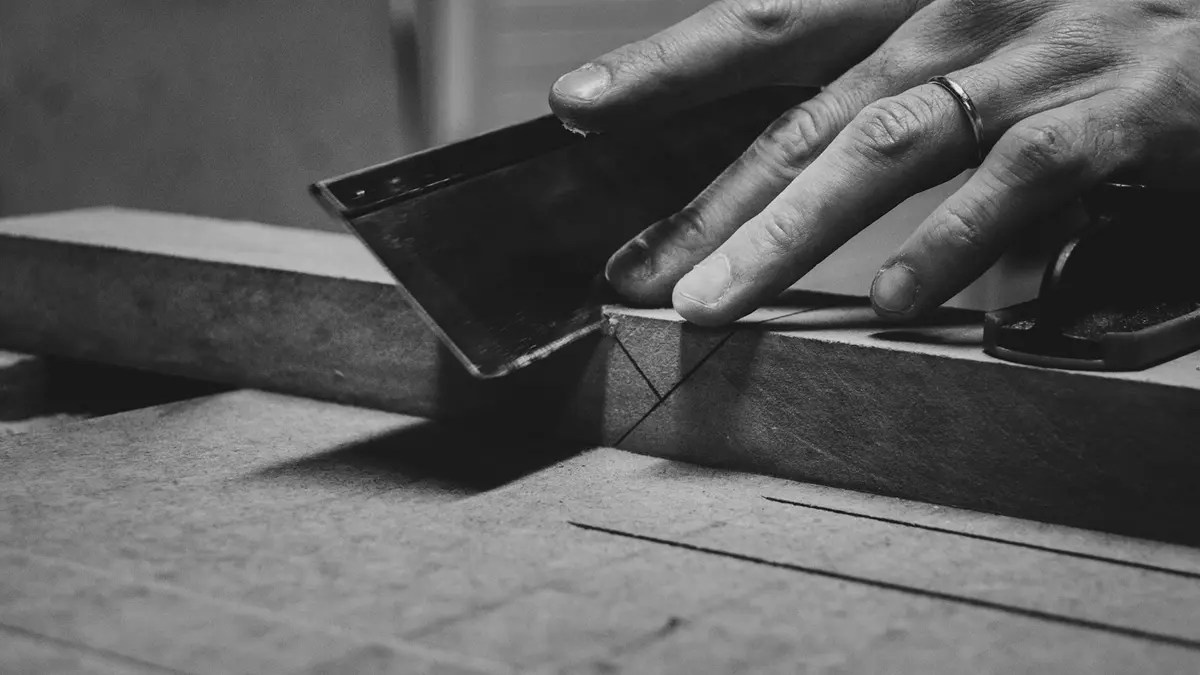
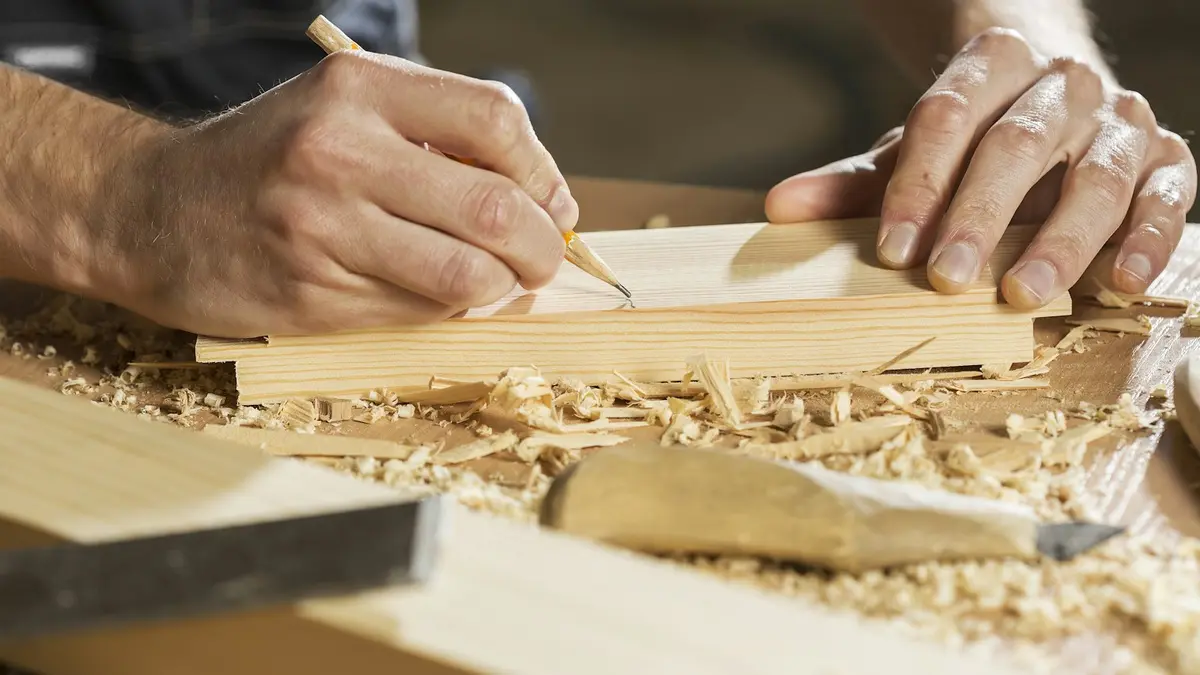
Improve woodworking layout accuracy by using reference faces and edges, controlling mark width, choosing the right marking tool, and checking layout before cutting.
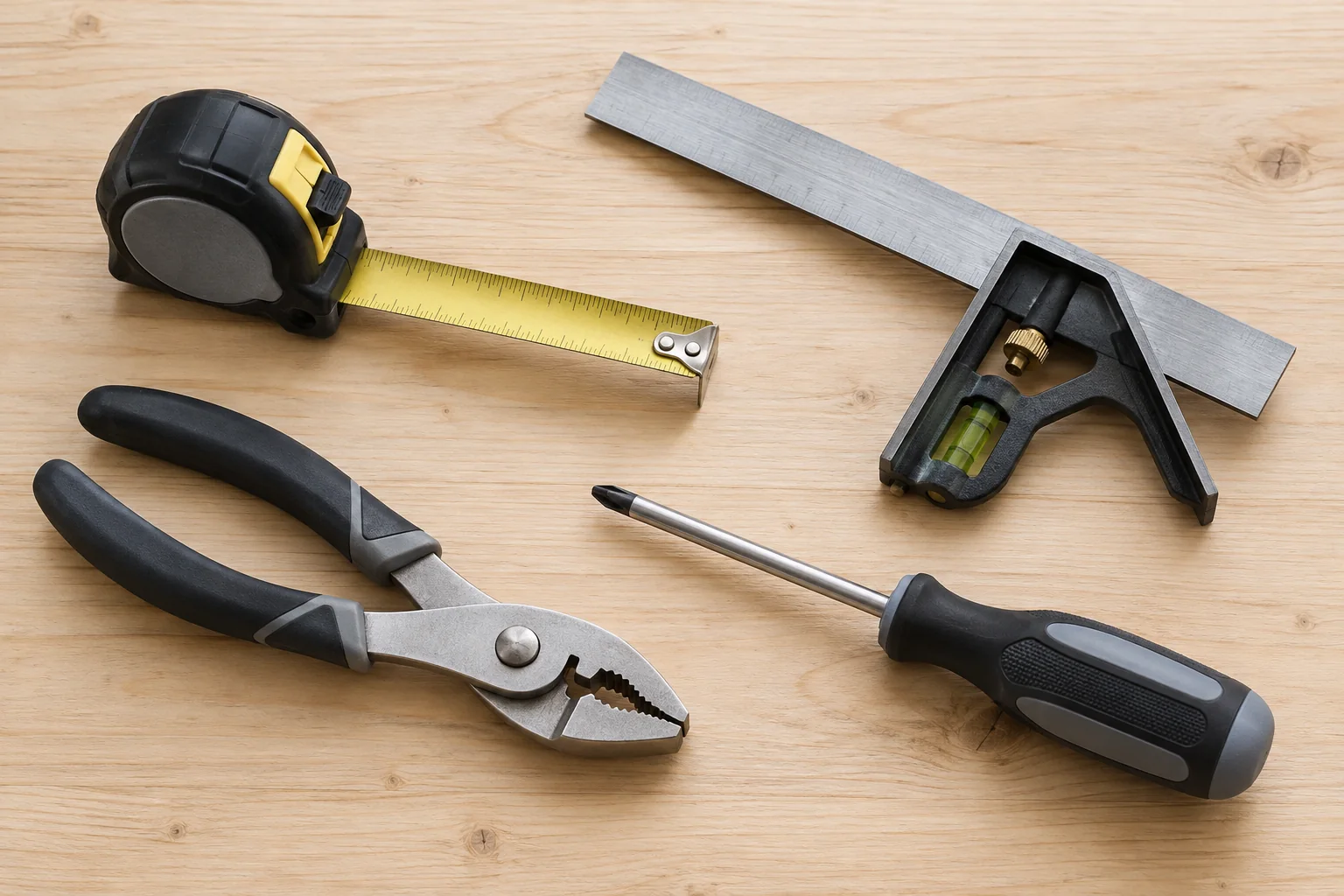
Continue readingBuild feel and precision with the tools used to strike, turn, grip, cut, fasten, measure, mark, and pull.
Improve woodworking layout accuracy by using reference faces and edges, controlling mark width, choosing the right marking tool, and checking layout before cutting.
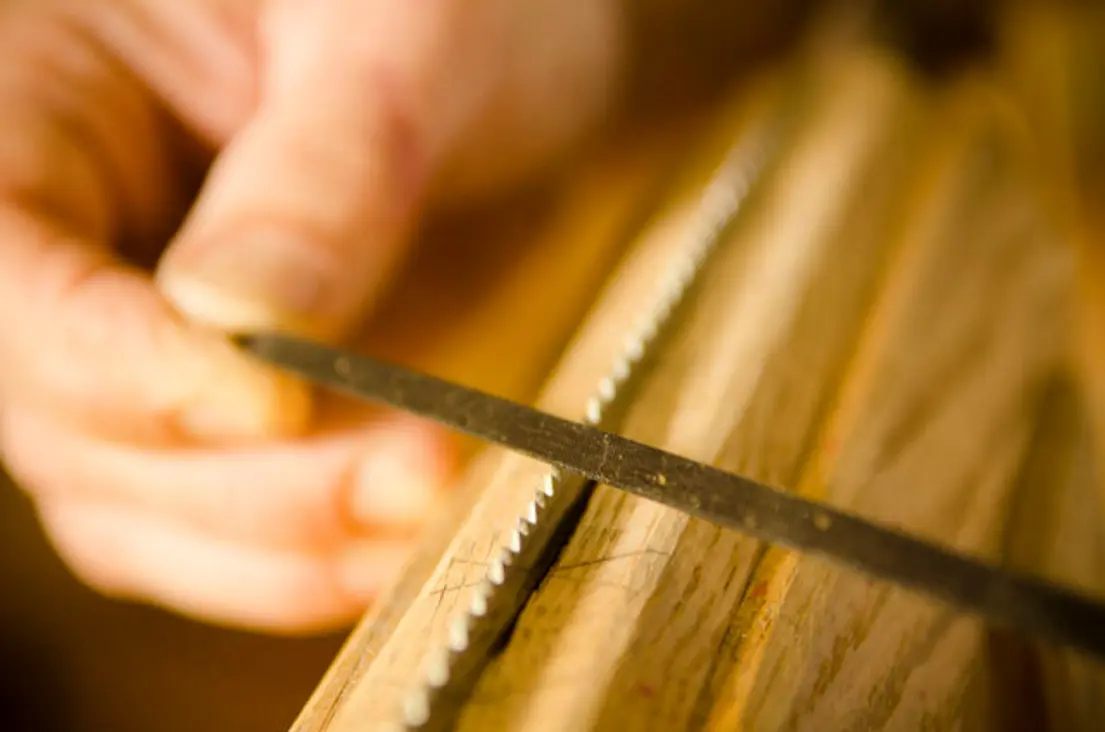
Continue readingLearn which hand saws can be filed, how to recognize hardpoint teeth, and when dullness, bad set, or uneven teeth call for sharpening, service, or replacement.
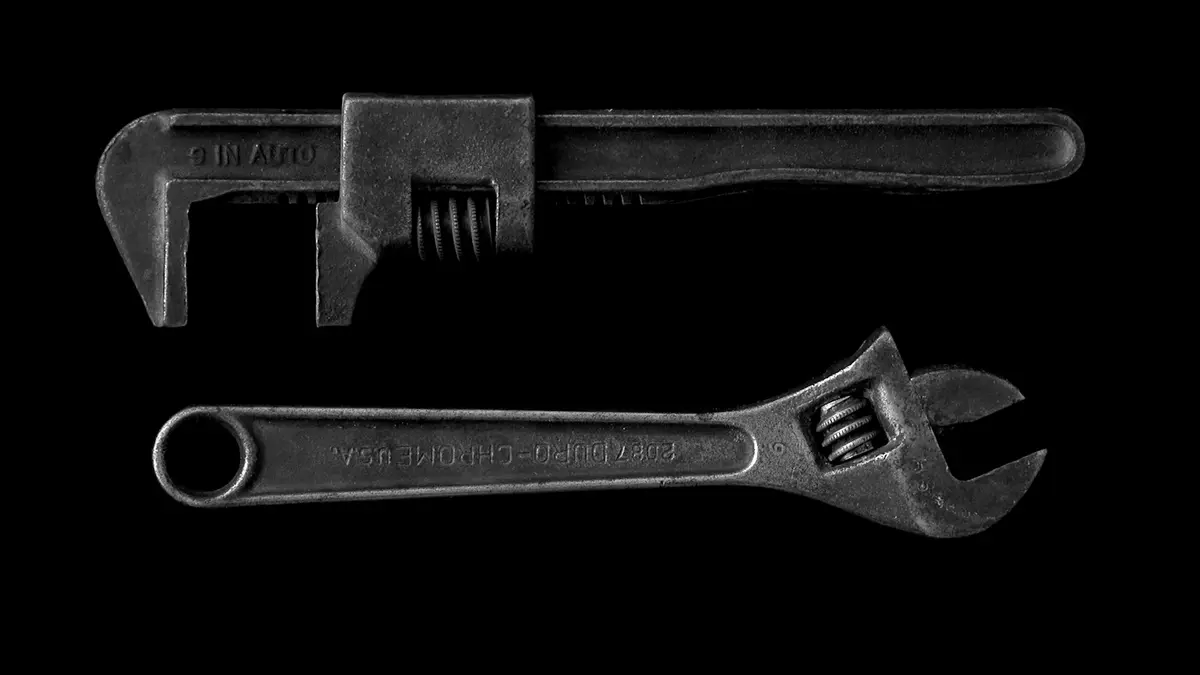
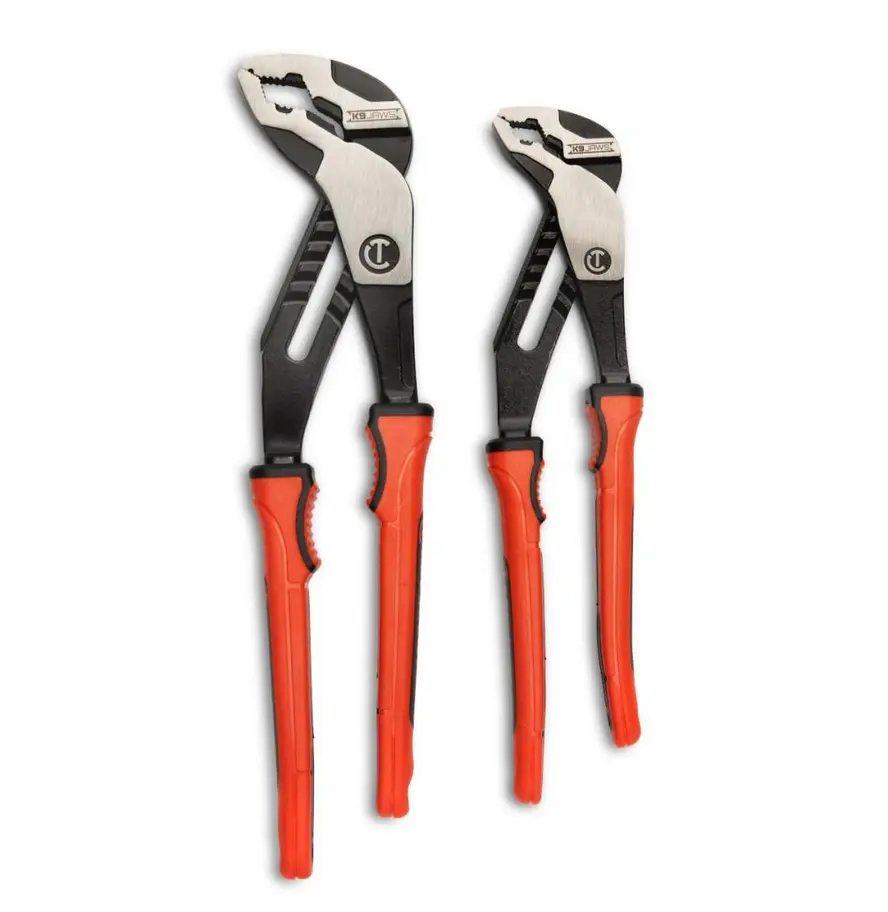
Continue readingA practical comparison of pliers wrenches and adjustable wrenches, including jaw design, access, fastener protection, slipping, and when each tool is the better choice.
Continue readingLearn how to sharpen a wood chisel with stones: flatten the back, establish a bevel, hone a micro-bevel, remove the burr, and test the edge.
Continue readingMeasure and mark long boards accurately without a helper by using a clamped reference block, a tape hook, story sticks, stop blocks, and clear verification marks.
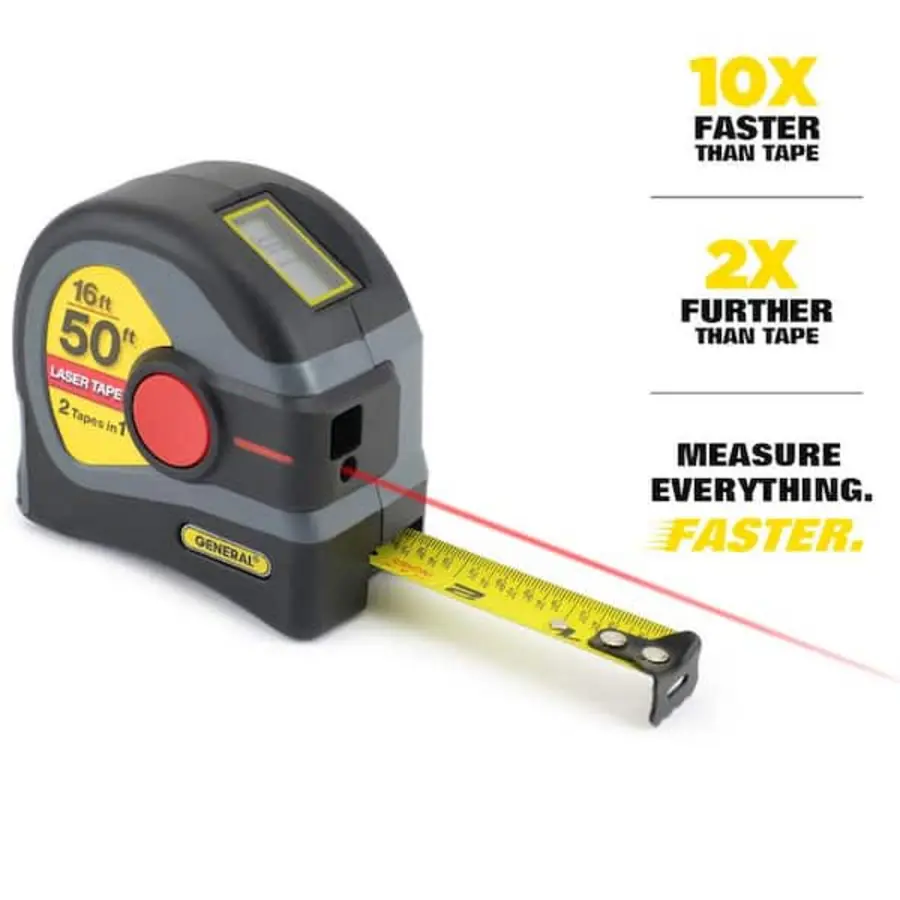
Continue readingA calibrated laser measuring tape can still read incorrectly if the reference point, setup, target, settings, or tool condition is wrong. Learn how to isolate the cause and verify
Continue readingLearn which wood chisel damage can be ground out, when a chisel can be shortened or repurposed, and when cracks, heat damage, or handle failures mean replacement.
Continue readingA practical comparison of pliers wrenches and tongue-and-groove pliers, including the jobs each handles best, where they overlap, and why one cannot fully replace the other.
Continue readingTongue-and-groove pliers adjust to fit a pipe or fitting, but they do not lock onto it. Learn why they fall off when released, how to set the jaws correctly, and when locking plier
Continue reading