For occasional holes in aluminum, brass, or mild steel, a quality HSS twist drill is usually the sensible starting point. Move to cobalt HSS for stainless steel, tougher steels, cast iron, or repeated metal drilling. Solid carbide is extremely hard and wear-resistant, but its brittleness makes it a poor default for a handheld drill or any setup with wobble, vibration, or uncertain alignment.
The key distinction is that HSS, cobalt, and carbide describe the bit’s underlying cutting material, while labels such as titanium nitride often describe a surface coating. A coating can help in the right application, but it does not turn an ordinary HSS bit into cobalt or carbide. For most DIY metal drilling, correct speed, steady feed pressure, secure workholding, chip control, and suitable cutting fluid will affect results as much as the name on the package.
Quick choice: which bit material fits the job?
| Drilling situation | Usual starting choice | Why |
|---|---|---|
| A few holes in aluminum, brass, or mild steel | HSS | Tough, economical, and forgiving in general-purpose drilling. |
| Repeated holes in mild steel | HSS or cobalt | HSS may be enough for light use; cobalt can make sense when heat and wear are recurring problems. |
| Stainless steel, alloy steel, or cast iron | Cobalt HSS | Better heat resistance and edge retention than standard HSS, while remaining more forgiving than carbide. |
| Unknown or difficult steel in a handheld drill | Cobalt HSS | Usually the safer escalation before considering carbide, provided the material is actually drillable. |
| Hardened steel or demanding production drilling on a rigid machine | Solid carbide, selected for the application | High wear resistance, but requires stable alignment, appropriate tooling data, and a rigid setup. |
| Concrete, brick, tile, or masonry | A purpose-made masonry bit | Carbide-tipped masonry bits are a separate category and are not a substitute for metal-drilling twist drills. |
A bit that skates, turns blue, smokes, or stops making chips is not necessarily made from the wrong material. It may be dull, running too fast, fed too lightly, overheating, or drilling a workpiece that is harder than expected.
HSS: the practical default for common metals
HSS means high-speed steel. It is the general-purpose twist-drill material found in many basic bit sets because it balances cutting ability, toughness, and cost. Its toughness is especially useful with handheld drills, where slight side loading and imperfect alignment are hard to avoid.
HSS works well for occasional holes in aluminum, copper, brass, mild steel, plastic, and wood. It is also a reasonable choice when you are stepping up through pilot holes or drilling thin sheet metal, provided the work is supported and clamped.
HSS has limits. Tougher steels and repeated drilling create more heat at the cutting edge. Once an HSS bit loses its edge from overheating or abrasion, pressing harder usually makes the problem worse. For help with that specific problem, see why drill bits dull when drilling metal.
When HSS is enough
Choose HSS when the metal is relatively soft, the number of holes is modest, and the setup is a handheld drill or a basic drill press. Buying a better-made HSS bit can be more useful than buying a large assortment of low-cost bits with an unclear material label.
For thin stock, avoid letting the bit grab as it breaks through. Support and clamp the material, use a suitable backing method for the job, and review how to drill thin sheet metal for technique considerations.
Cobalt: HSS with more heat resistance
Cobalt drill bits are generally HSS alloyed with cobalt throughout the bit, rather than ordinary HSS with a cobalt-colored finish. Common cobalt HSS grades are often identified as M35 or M42. The alloy improves hot hardness and wear resistance, helping the cutting edge stay effective when drilling materials that generate more heat.
That makes cobalt a strong choice for stainless steel, cast iron, many alloy steels, and jobs involving many holes in steel. It costs more than standard HSS, but it can be a better value when ordinary HSS repeatedly dulls before the work is done.
Cobalt is not indestructible. Compared with ordinary HSS, it is generally less forgiving of abuse and side loading. A cobalt bit can still be ruined by excessive speed, rubbing instead of cutting, poor chip evacuation, or an unsecured workpiece.
Are cobalt drill bits good for a hand drill?
Yes, cobalt HSS is often the best upgrade for handheld drilling in difficult metal because it retains much of the toughness that makes steel-based bits practical. The drill must be held as square to the work as possible, and the workpiece needs secure restraint.
Cobalt does not remove the need for technique. Start the hole accurately, keep the bit from wandering, use controlled pressure so it cuts rather than polishes the surface, and pause as needed to clear chips. Follow the drill-bit manufacturer’s current instructions for suitable speed, cutting fluid, and use with your specific drill.
Carbide: high performance, low forgiveness
Solid carbide is far harder and more wear-resistant than HSS or cobalt. In a rigid production machine, it can maintain a sharp edge longer in abrasive materials, hard steels, and demanding applications. It is commonly used where machine rigidity, runout control, coolant delivery, and drilling parameters are carefully managed.
Its tradeoff is brittleness. Carbide is much less tolerant of vibration, flexing, interrupted contact, misalignment, or a suddenly grabbing workpiece. Instead of gradually wearing dull, it may chip or break. That is why solid-carbide twist drills are generally not the first choice for a cordless drill, a handheld drill, or a light drill press with noticeable play.
Do not confuse carbide twist drills with masonry bits
Many masonry bits use a carbide cutting tip brazed to a steel body. Those bits are designed for masonry drilling, not for drilling steel plate or fasteners. A carbide-tipped masonry bit is not an upgrade for metal just because carbide is involved.
Likewise, a product marketed as “carbide” may be a solid-carbide metal-cutting drill, a carbide-tipped masonry bit, or another specialized design. Read the manufacturer’s intended-material guidance before using it.
Coatings are not the same as bit material
A gold, black, gray, or other colored finish can be useful information, but it is not enough to identify a bit’s substrate. Many coated bits are HSS underneath. Common coatings may reduce friction or improve wear resistance under suitable cutting conditions, but the coating is thin and can be worn away, especially after sharpening.
A coated HSS bit may be a good choice for general work, but it is still HSS. It will not have the same heat resistance as cobalt HSS or the rigidity requirements of solid carbide. Select the substrate first, then consider a coating as a secondary feature.
Be cautious with package language that does not clearly state whether the bit is HSS, cobalt HSS, solid carbide, or carbide-tipped. If the underlying material is not identified, do not assume the finish color supplies the answer.
Setup matters as much as the bit
A premium bit cannot compensate for a poor drilling setup. Metal drilling creates sharp chips, heat, and a risk of the workpiece catching and spinning. Clamp the work securely in an appropriate vise or fixture before drilling. Do not hold small metal parts by hand.
Use a center punch or another suitable method to locate the hole when accuracy matters. Keep the drill aligned with the work, and use enough controlled pressure for the cutting edges to form chips. A bit that only rubs builds heat quickly and loses its edge.
Cutting fluid can reduce heat and improve chip flow for many metal-drilling jobs, but the suitable fluid and method depend on the material, bit, and manufacturer guidance. Cast iron is commonly treated differently from steel because its chips are abrasive and its drilling practices vary. Check the bit maker’s current recommendations rather than assuming one fluid or one method suits every metal.
Speed, feed, and heat control
There is no single correct drill speed for all metal jobs. Bit diameter, workpiece material, bit substrate, point geometry, drilling depth, machine condition, and coolant all affect the appropriate setting. Larger bits generally require lower speed than smaller bits in the same material.
For a drill press, consult the current drill-press manual and the drill-bit manufacturer’s cutting-data guidance before selecting speed. For a handheld drill, use the tool’s controls according to its manual and prioritize stability and cutting action over maximum trigger speed. If you see heavy discoloration, smell overheating, or stop producing normal chips, stop and assess the bit and setup.
What to buy for a practical metal-drilling kit
For a homeowner or occasional DIY user, a set of quality HSS twist drills covers the widest range of common tasks. Add a small cobalt HSS set, or selected cobalt sizes you use often, if stainless steel or repeated steel drilling is part of your work.
Reserve solid-carbide metal drills for a job that specifically calls for them and only when the drilling machine, fixture, and cutting guidance support their use. A carbide bit is not automatically better in a hand drill; it can be a more expensive and more fragile choice.
If a bit becomes dull but is otherwise in good condition, it may be possible to restore some twist drills. See how to sharpen twist drill bits for the limits and considerations. Coated bits may lose their coating at the reground cutting edge, and carbide requires different sharpening equipment and technique than HSS or cobalt.
Bottom line
Use HSS for everyday metal drilling, cobalt HSS when steel is tougher or heat is shortening HSS bit life, and solid carbide only when the material and a rigid, well-controlled setup justify it. Treat coatings as a secondary feature, not a substitute for the right substrate.
Before drilling, identify the metal as accurately as possible, secure it properly, inspect the bit, and verify current speed, cutting-fluid, and operating guidance in the manuals for both the drill and the bit. That combination is more likely to produce a clean hole than simply choosing the most expensive material.
References
- Cobalt drill bits vs HSS vs carbide: speed and coolant chart. (n.d.). https://benchmarkabrasives.com/blogs/news/hss-vs-cobalt-vs-carbide-drill-bits-what-to-choose
- Carbide vs Cobalt vs HSS Drill Bits: Which Is Best for Metal? - Penn Tool Co., Inc. (n.d.). https://www.penntoolco.com/carbide-vs-cobalt-vs-hss-drill-bits
- Drill Bit Material Guide: HSS, Cobalt, Titanium, Carbide - Defusco Industrial Supply. (n.d.). https://www.defusco.com/drill-bit-material-guide
- Cobalt vs Carbide Drill Bit Selection for Hardened Steel | IMD. (n.d.). https://industrialmonitordirect.com/blogs/knowledgebase/hardened-steel-drilling-cobalt-vs-carbide-bit-selection-guide
- HSS Vs Cobalt Vs Carbide Drill Bits — Complete Comparison - Drillbitsworld.com. (n.d.). https://drillbitsworld.com/hss-vs-cobalt-vs-carbide-drill-bits
- Drill Substrate Guide: HSS vs Cobalt vs Carbide - Drill Substrate Guide: HSS vs Cobalt vs Carbide. (n.d.). https://www.harveyperformance.com/in-the-loupe/drill-substrate-guide-hss-vs-cobalt-vs-carbide
- HSS vs Cobalt vs Carbide: Choosing a Tool Substrate - In The Loupe. (n.d.). https://www.harveyperformance.com/in-the-loupe/selecting-cutting-tool-substrate
- SHOP PROVEN | Which Drill Bit Do I Need?. (n.d.). https://www.youtube.com/watch?v=Q2ynChwQT3E
- Machining Inconel: Turning, Milling & Drilling Guide. (n.d.). https://www.machiningdoctor.com/machining-materials/machining-inconel
- Difference between Cobalt and Carbide drill bits? | BladeForums.com. (n.d.). https://www.bladeforums.com/threads/difference-between-cobalt-and-carbide-drill-bits.184152
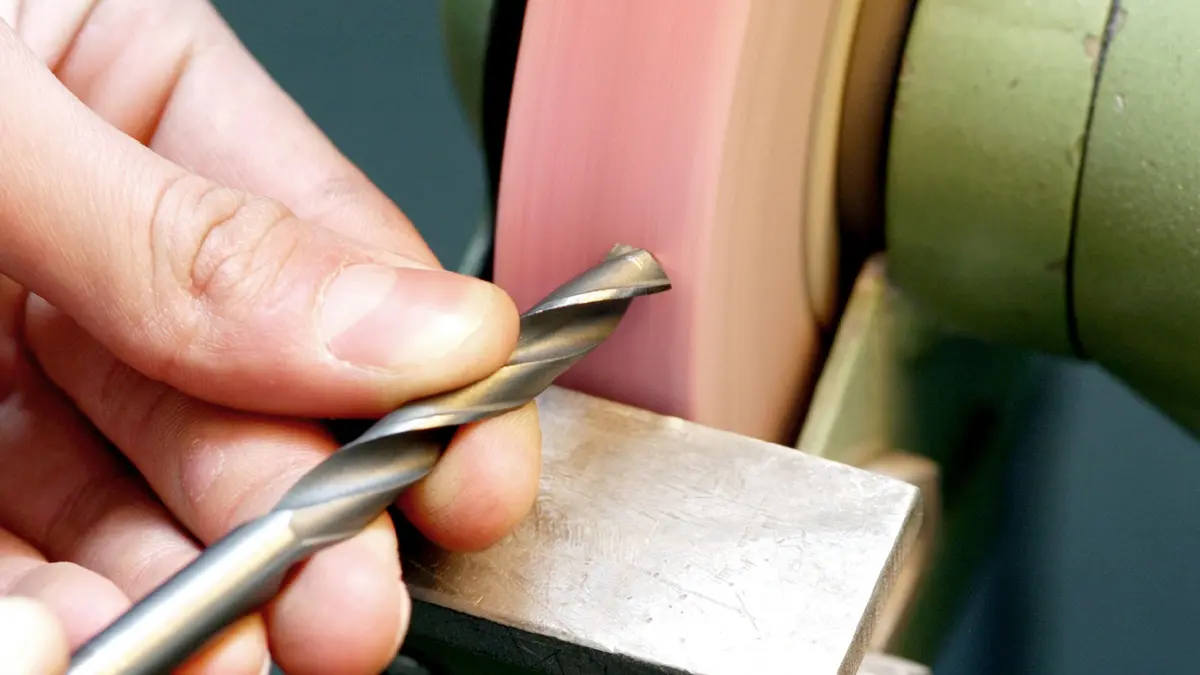 How to Sharpen Twist Drill Bits: When to Resharpen, Replace, or Recycle
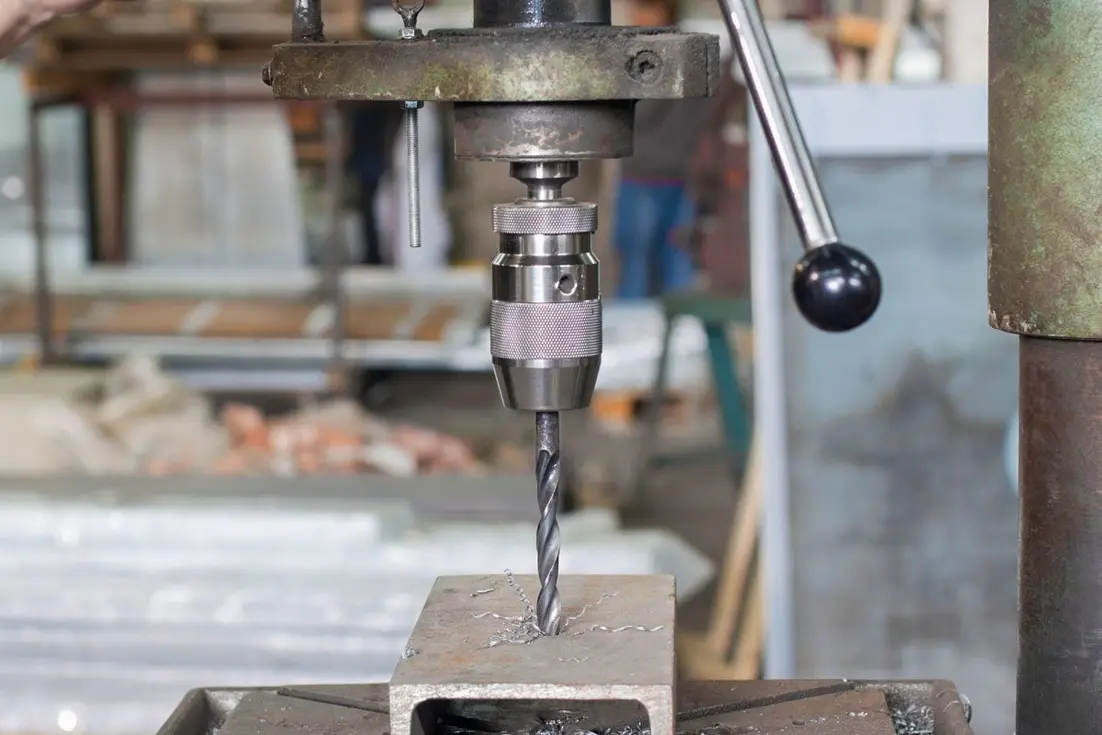 Why Drill Bits Dull or Break When Drilling Metal
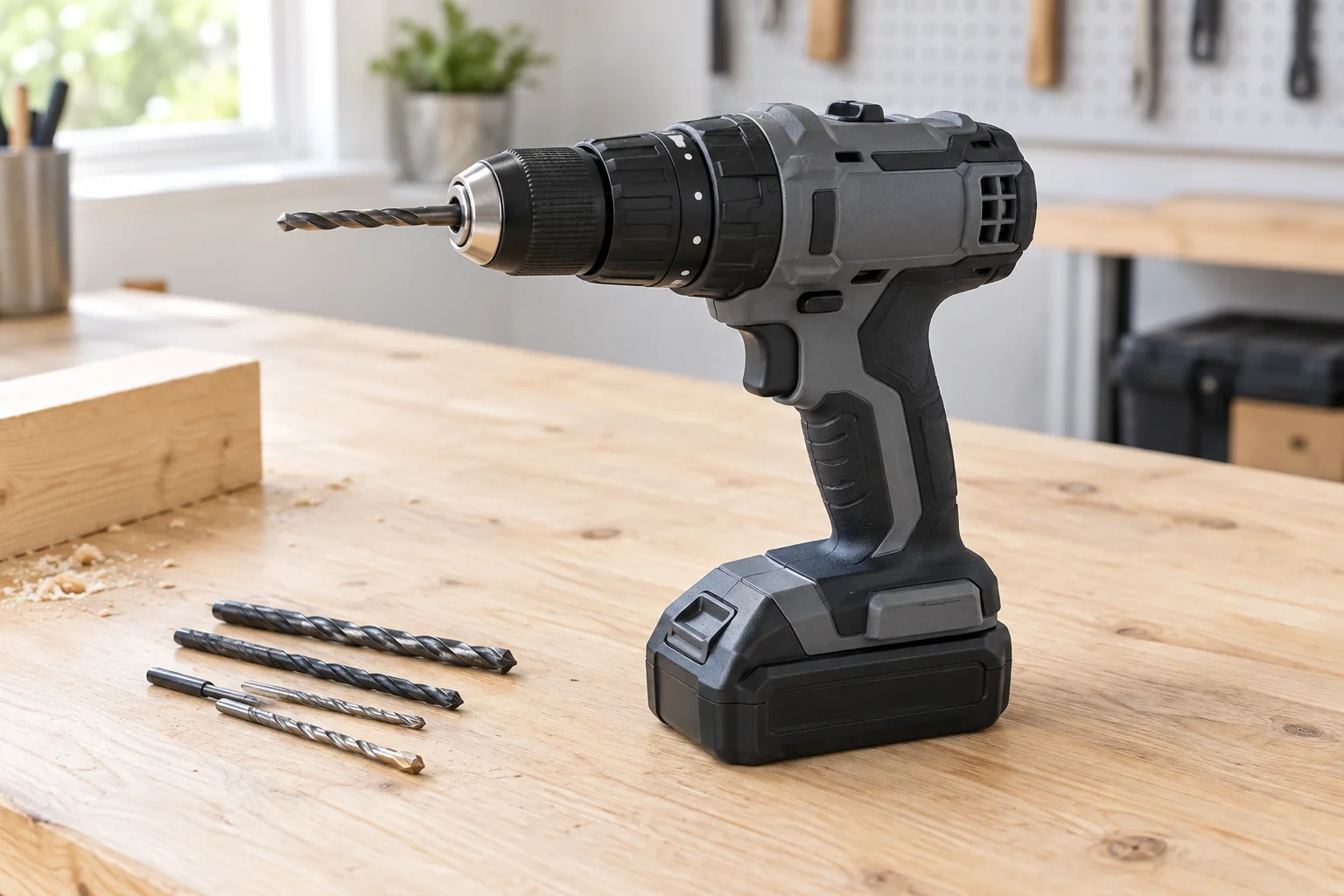 How to Check Drill Runout and Find Out Whether the Bit, Chuck, or Drill Is the Problem