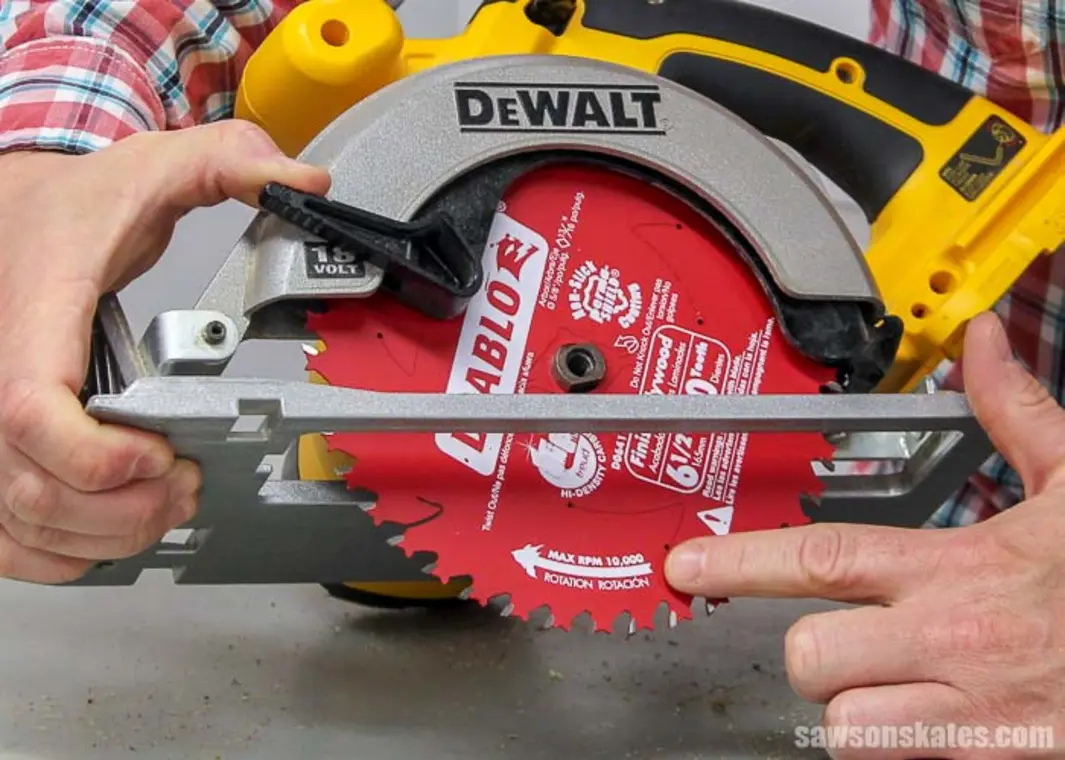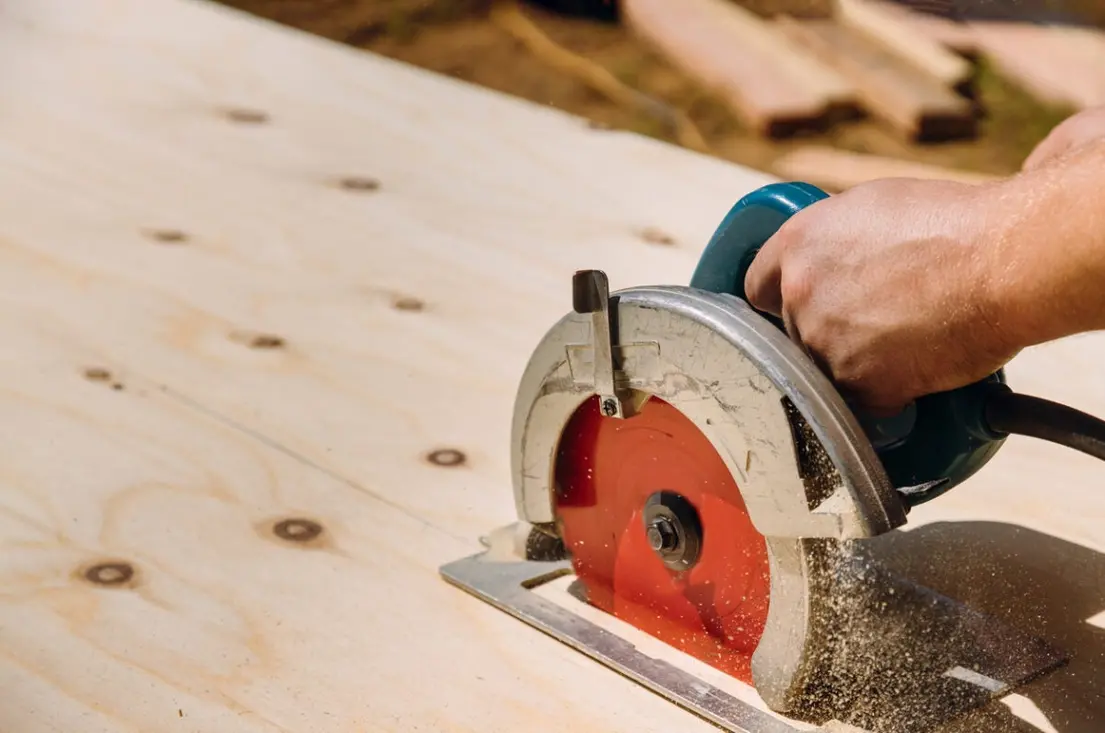
How to Check and Adjust a Circular Saw for Square Cuts
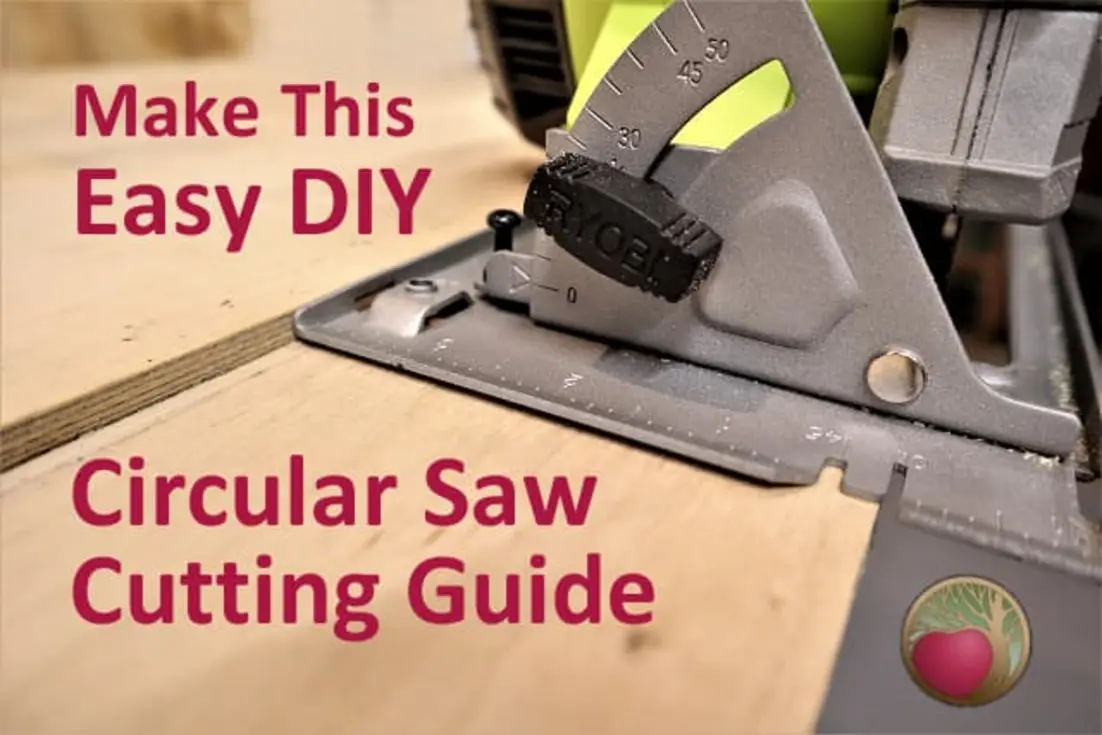
Learn how to square a circular saw blade to its shoe, adjust the 0-degree bevel stop, verify the repair with a test cut, and identify blade or shoe problems.
Continue readingLearn how powered tools work, what each machine is designed to do, and how speed, force, and accessories change the result.
Learn how to square a circular saw blade to its shoe, adjust the 0-degree bevel stop, verify the repair with a test cut, and identify blade or shoe problems.
Continue readingLearn how to compare a circular saw’s rated cut depth with real material thickness, including 2x lumber, plywood, blade size, and bevel-cut capacity.
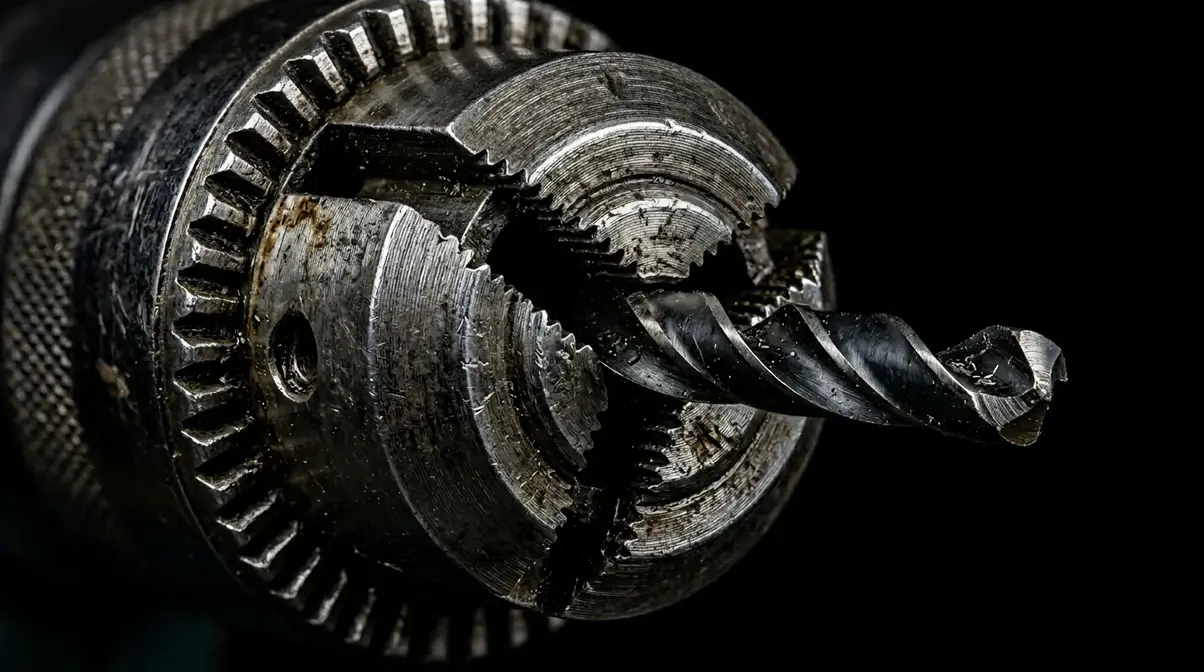
Continue readingA practical process for diagnosing drill bit wobble, checking drill chuck runout, and separating a bent bit from a chuck or spindle problem.
Continue readingLearn what drill clutch numbers mean, how to test a low setting on scrap, and when to use driver mode instead of drill mode for cleaner screw driving.
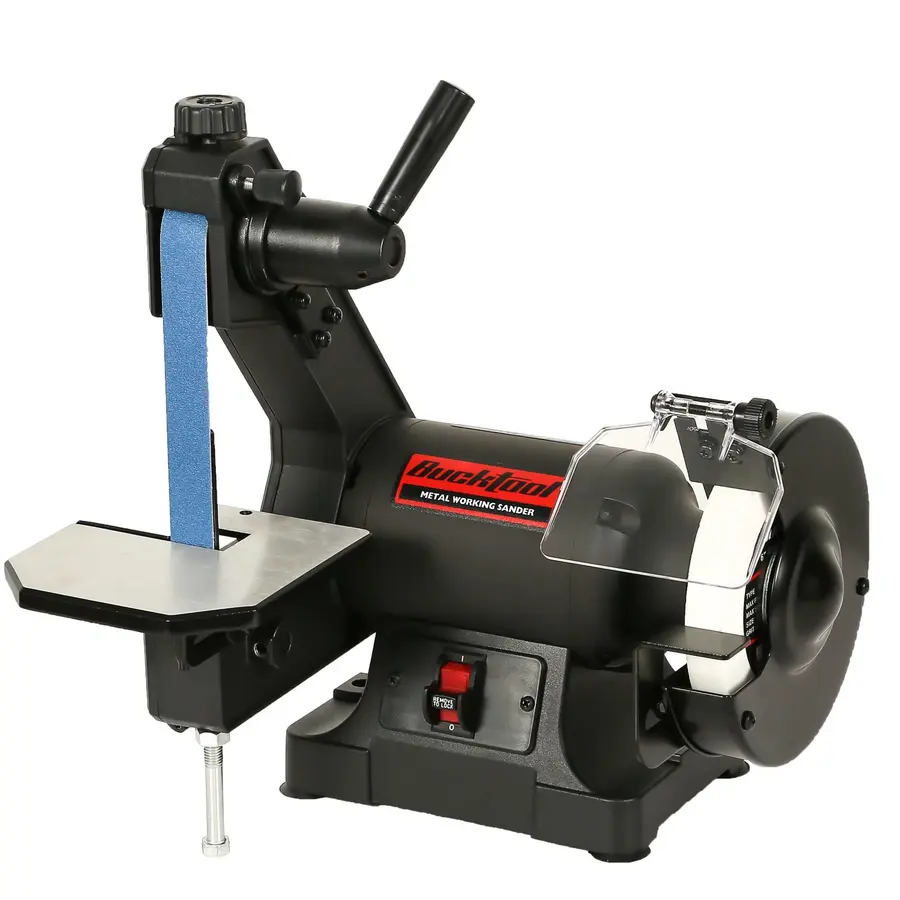
Continue readingA belt sander is usually the better choice for making steel cuts line up flush, cleaning welds, and refining flat edges. A bench grinder remains useful for fast spot grinding, shap
Continue readingIf a drill bit slips, wobbles, or falls out after tightening, check bit seating, jaw contamination, shank damage, chuck wear, and runout before replacing the drill.
Continue readingLearn how to set up a straight 45-degree bevel rip with a circular saw, including guide placement, shoe support, blade-depth setup, and safer options for narrow boards.
Continue readingFind out why a cordless drill starts then stops, from battery contact and clutch-setting checks to overload protection, trigger faults, and repair signs.
Continue readingReduce angle grinder kickback when cutting metal by choosing the right cutoff wheel, securing and supporting the work, using a guarded two-hand grip, and stopping when a cut starts
Continue readingTroubleshoot belt sander stripes, low spots, uneven color, and sanding marks on deck or porch boards before refinishing.
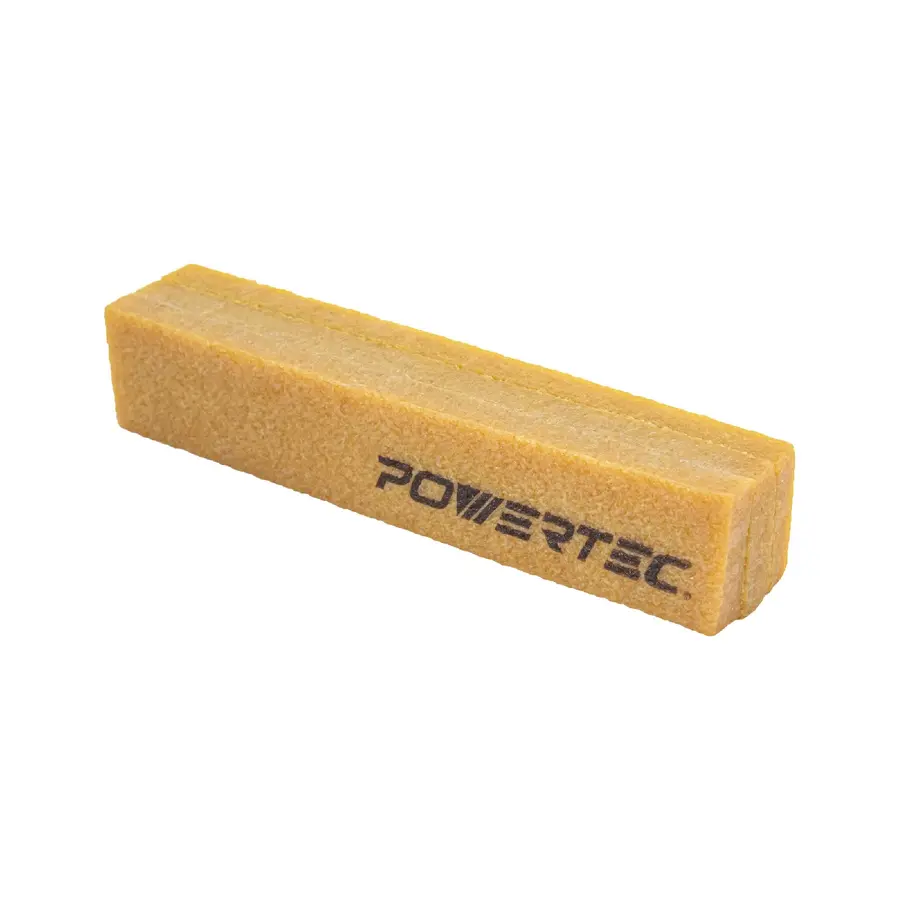
Continue readingLearn how to clean a loaded belt sander belt with a cleaning stick, identify clogs that can be removed, and recognize damage or wear that calls for replacement.
Continue readingLearn practical bench grinder dust control for a home shop, including safe cleanup, vacuum limits, ventilation, sparks, and material-specific dust hazards.
Continue readingA miter saw is made for crosscuts and angled cuts, not ripping boards lengthwise. Learn why rip cuts are risky on a miter saw and which saw to use instead.
Continue readingFor most through rip cuts, set the table saw blade about 1/8 to 1/4 inch above the workpiece. Learn how to apply that rule, use guards and push devices, and recognize unsafe setups
Continue readingA circular saw blade may seem to fit an angle grinder, but that does not make it a compatible or safe accessory. Learn why kickback, speed ratings, guards, and tool design matter.
Continue readingFind out why a circular saw leaves burn marks or smokes, then troubleshoot the blade, cut setup, feed rate, wood binding, and saw performance.
Continue readingA woodworking router is useful but not essential for most beginners. Use this project-first guide to decide when edge shaping, grooves, joinery, or template work justify buying one
Continue readingCheck a circular saw blade’s direction, seating, flanges, guard clearance, and wobble before using a saw that rubs or will not spin normally.
Continue readingLearn how to support, guide, and cut wide boards on a table saw with less tear-out and better accuracy, plus when to use a track saw or circular saw instead.
Continue readingA flush-trim router bit can kick back when it self-feeds into the workpiece. Learn how feed direction, grain, cutter engagement, support, bearing setup, and cut depth affect contro
Continue readingLearn how to remove debris from a sticking drill chuck, avoid contaminating its jaws, and identify when a chuck needs service or replacement.
Continue readingA circular saw that starts on the line but pulls away under load may have a blade problem, a pinching workpiece, poor cutting conditions, or a saw alignment fault. Use this step-by
Continue readingChoose a circular saw, miter saw, or router by the work you need done: sheet goods, repeated crosscuts, angled trim cuts, grooves, and edge profiles.
Continue readingStop table saw kickback by preventing the kerf from closing on the blade, keeping the fence aligned, using a riving knife or splitter, and supporting panels correctly.
Continue readingFind out why a cordless circular saw slows down or stops in a cut, how to check the battery, blade, binding, and technique, and when the saw needs service.
Continue readingOscillating tool blades wear quickly when heat, abrasive materials, hidden fasteners, poor blade matching, or side loading damage the teeth or grit. Learn how to choose, use, clean
Continue readingTroubleshoot a miter saw that cuts sideways, drifts, or produces out-of-square cuts. Check the blade, workpiece support, fence, miter setting, bevel setting, and saw mechanism in t
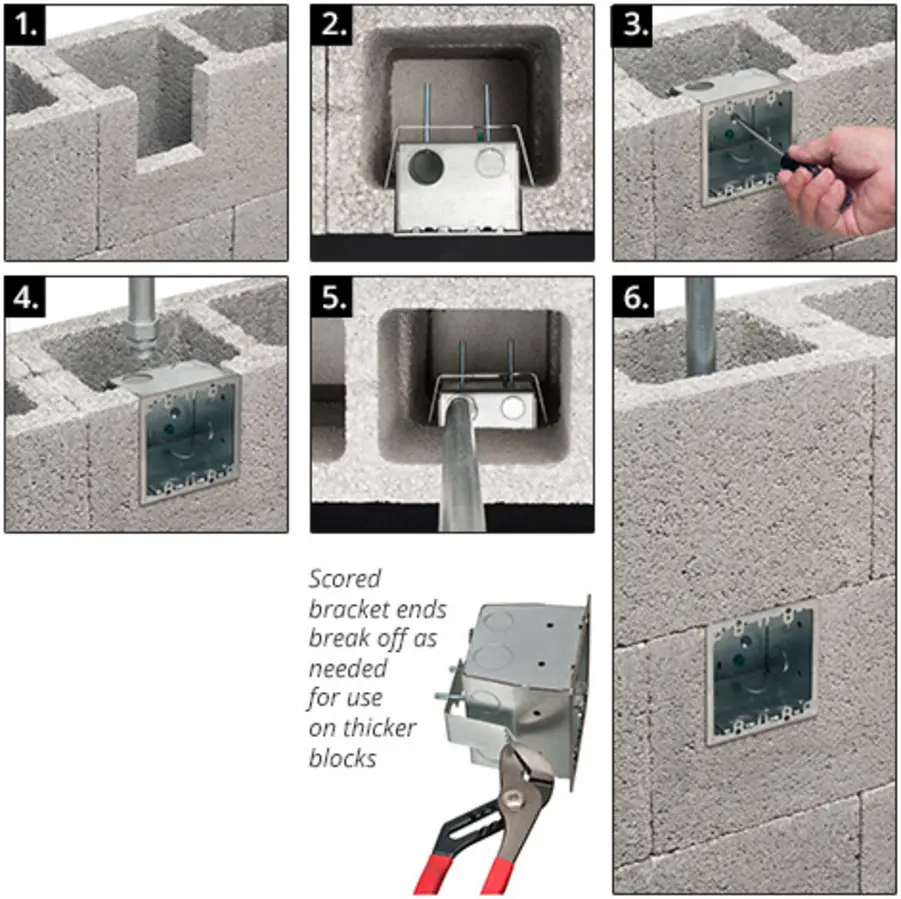
Continue readingChoose the right masonry tool and cutting method for a recessed electrical box, an enlarged opening, or a through-wall opening in concrete block.
Continue readingCompare track saws and table saws for plywood, hardwood ripping, portability, repeat cuts, shop space, and safe workflow.
Continue readingA circular saw that makes noise with the blade removed likely has an issue beyond the blade. Use this safe inspection sequence to check the arbor, flanges, guard, motor, and bearin
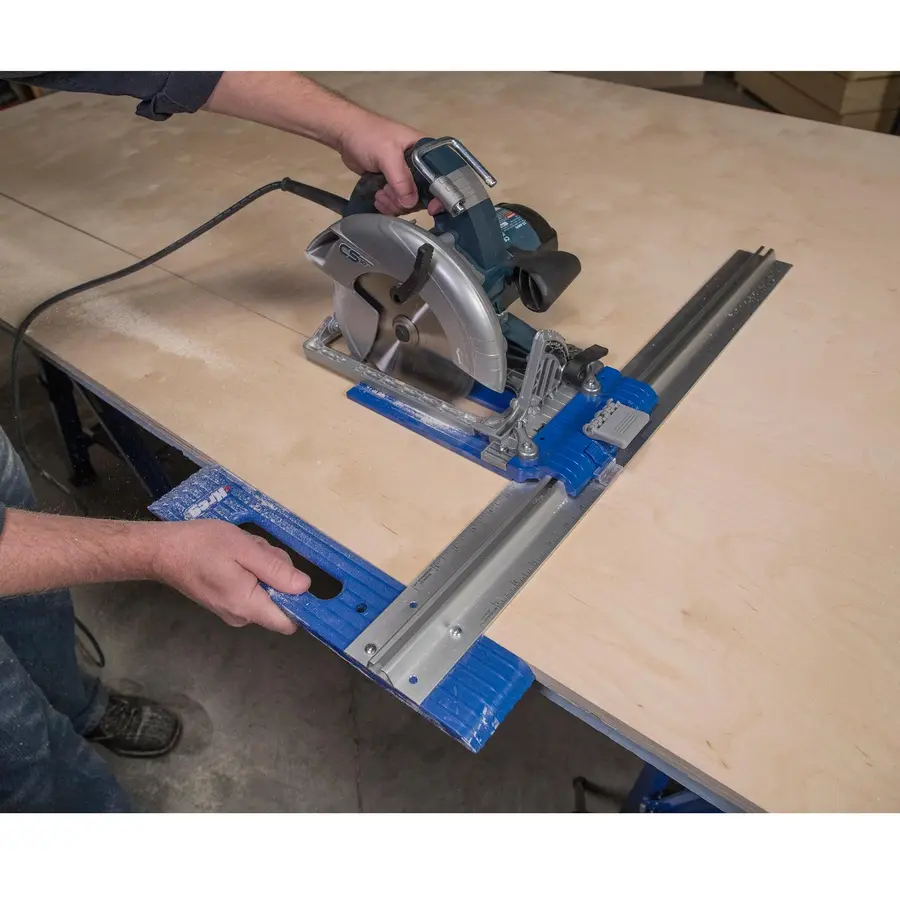
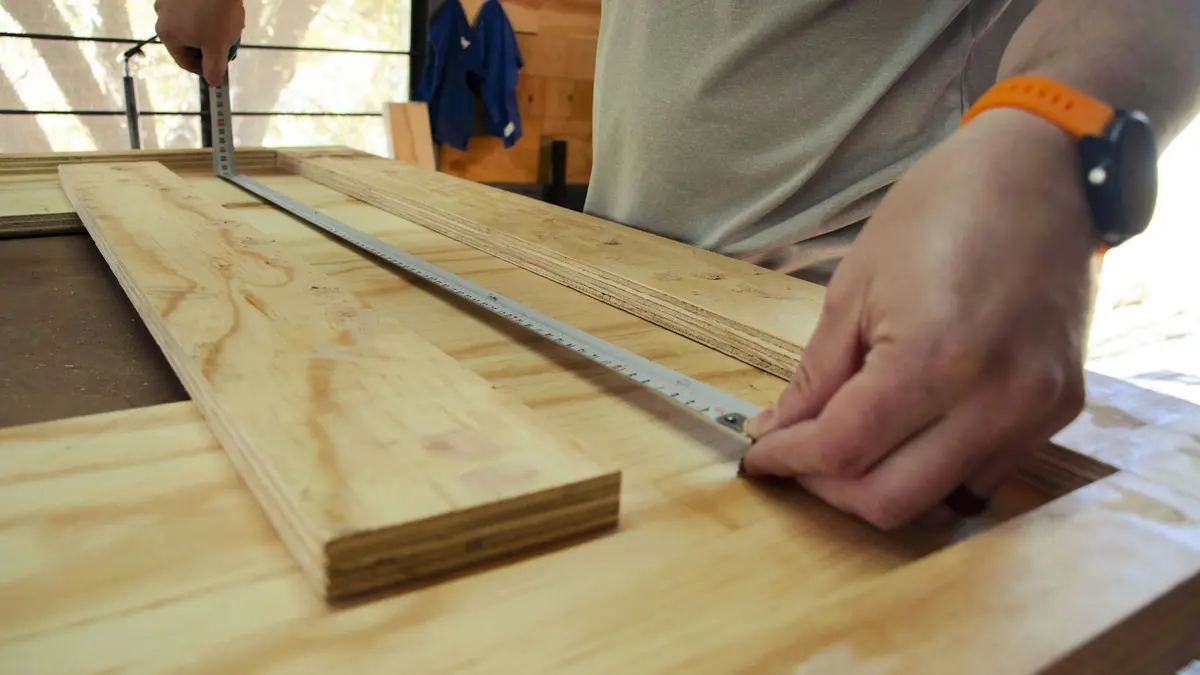
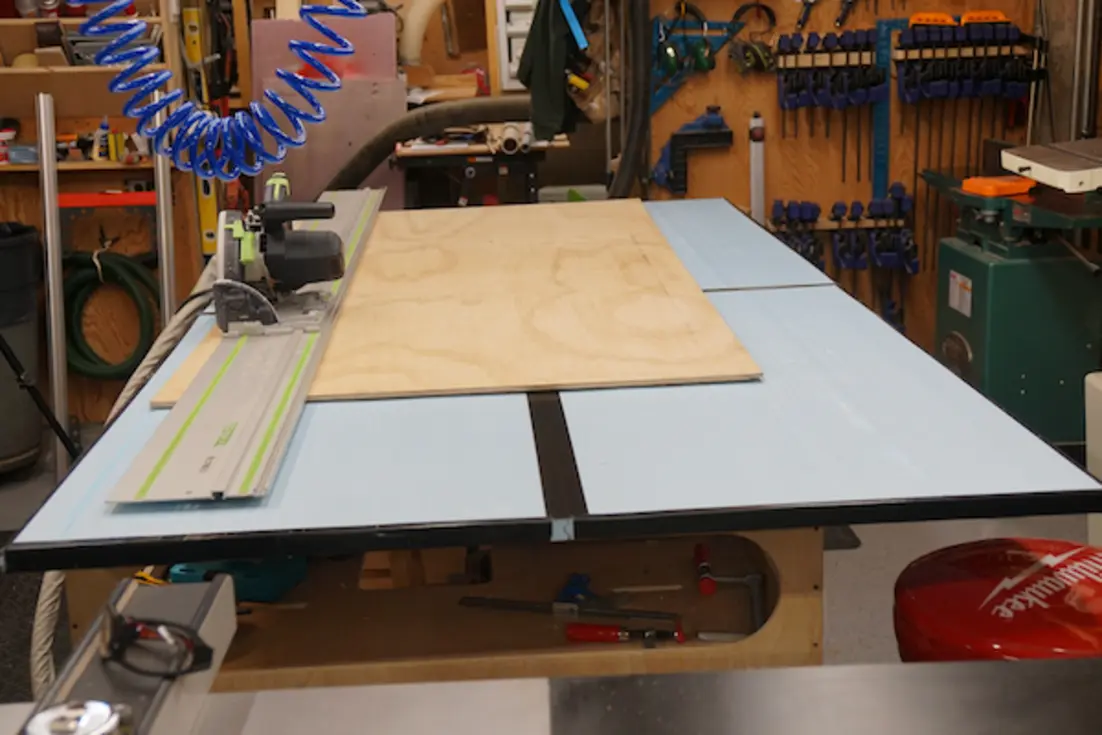
Continue readingMake accurate long plywood cuts with a circular saw by measuring the saw’s base-plate offset, clamping a straightedge correctly, supporting the sheet, and using a simple zero-clear
Continue readingRouter bits usually break from overload, heat, vibration, or poor holding. Learn how cut depth, feed rate, bit choice, chip clearing, and workholding affect safer routing passes.
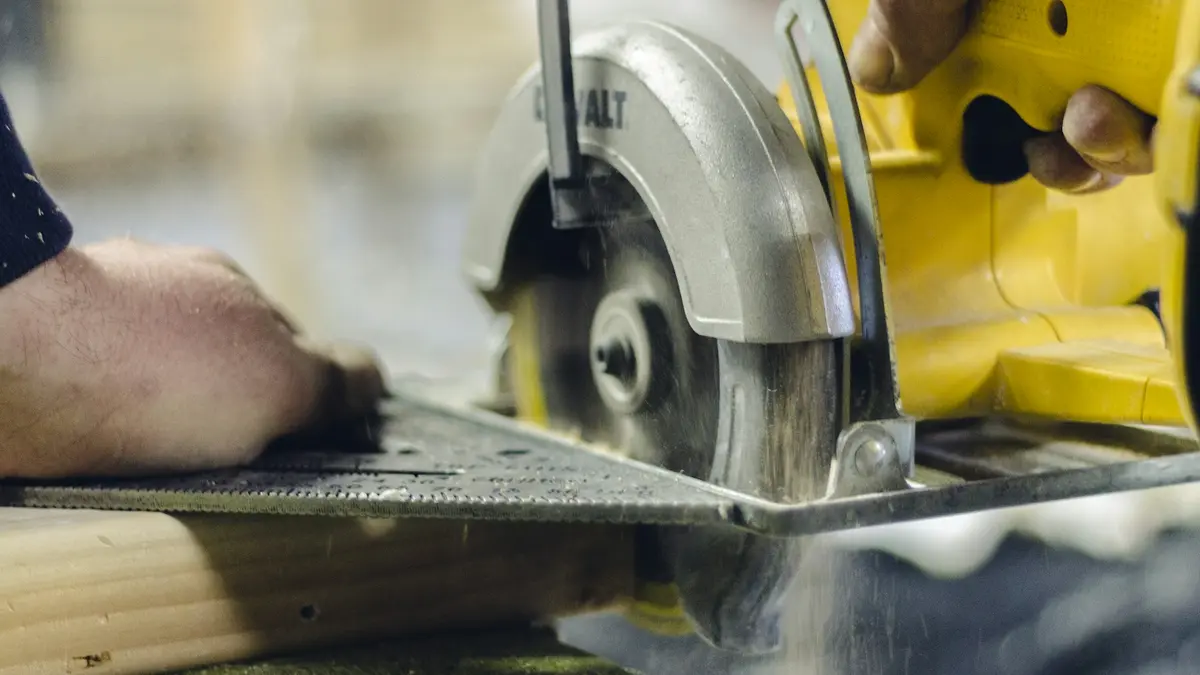
Continue readingStop circular saw chipping by choosing the right blade, placing the good face correctly, supporting the work, setting blade depth, and using a controlled cut.
Continue readingLearn why a saw blade binds in wood, how to tell whether support, wood tension, blade condition, or alignment is responsible, and what to do safely.
Continue reading